(0)
Fun Health Care Comb: How Scalp Care Design Supports Healthier Hair
A Fun health care comb is designed to make daily hair grooming more functional by combining conventional combing with scalp-care features. For consumers who experience oily scalps, visible dandruff, or hair that feels difficult to manage, a functional comb can offer a convenient addition to their regular personal-care routine. However, its practical value depends on more than its appearance or novelty. The comb's tooth geometry, contact pressure, material selection, cleaning method, and ease of use all influence the user experience and the consistency of everyday scalp care.
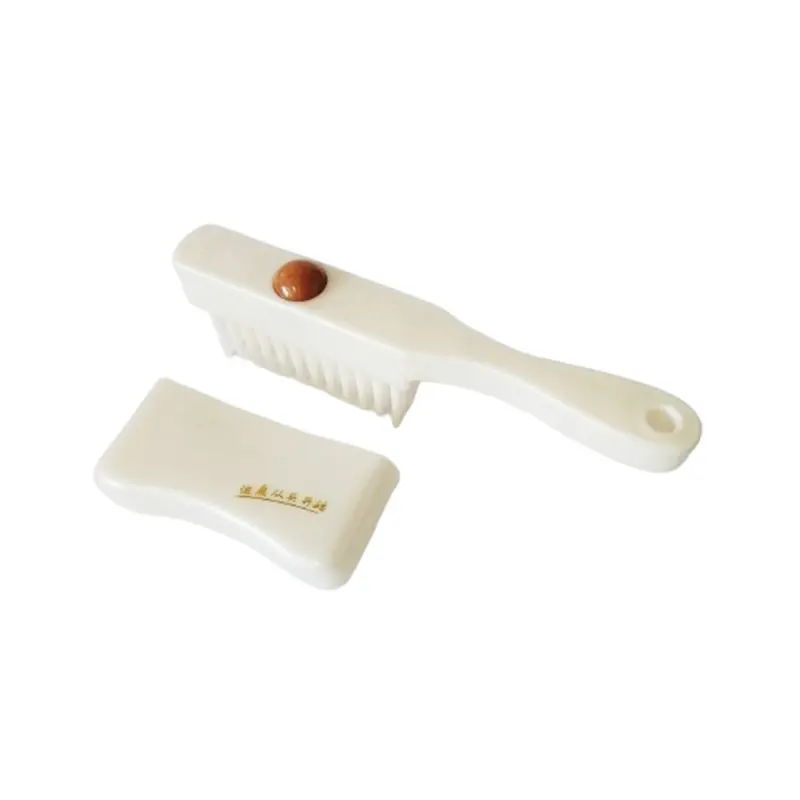
As demand for convenient personal-care products grows, product developers and distributors need to evaluate functional combs from both a user-experience and product-design perspective. A well-designed Fun health care comb should provide comfortable scalp contact, distribute grooming pressure appropriately, allow residue to be removed after use, and remain durable through repeated handling and cleaning. These design factors help distinguish a practical personal-care tool from a conventional comb with additional features but limited everyday utility.
Shanghai Jiuxianggu Health Technology Co., Ltd. focuses on the research and design of healthy lifestyle products across personal necessities and related health-oriented product categories. Its Fun health comb concept reflects an approach that combines daily grooming with scalp-cleaning functions, making product usability, material safety, and clear performance communication important considerations.
What Makes a Fun Health Care Comb Different from a Conventional Comb?
A conventional comb primarily separates hair strands, helps remove tangles, and supports styling. A functional scalp-care comb may be designed to provide additional contact with the scalp and help loosen surface oil, flakes, and accumulated residue during grooming. The distinction lies in the interaction between the comb's structure and the scalp rather than simply in the number of features advertised.
Tooth shape is one of the most important design considerations. Teeth that are too sharp or rigid can create uncomfortable pressure, particularly when the scalp is sensitive or when the user applies excessive force. Teeth that are too blunt or widely spaced may not provide the intended scalp-contact experience. The appropriate geometry depends on the target user, hair density, hair length, and the intended grooming method.
Spacing also affects performance. Closely spaced teeth can help separate finer hair strands, but they may collect more residue and be harder to clean. Wider spacing can accommodate thicker hair and reduce pulling during detangling, although it may provide less uniform contact across the scalp. A functional comb therefore needs to balance hair separation, scalp contact, cleaning access, and comfort instead of optimizing only one characteristic.
The handle and overall form factor matter as well. A comb used in a wet bathroom environment should remain easy to grip when hands are damp. A well-balanced design can help users maintain controlled movement without applying unnecessary pressure. Rounded edges, a comfortable grip, and a structure that can be rinsed and dried thoroughly all contribute to daily usability.
These characteristics should be considered together. The value of a Fun health care comb comes from how consistently users can incorporate it into their grooming routine, not simply from the presence of a specialized tooth pattern or distinctive appearance.
How a Functional Comb Supports Everyday Scalp Cleaning
Scalp oil, loose flakes, and residues from styling products can accumulate between hair strands and around the roots. Regular washing remains the primary method for removing excess oil and cleansing the scalp, while appropriate combing can help separate hair and loosen some surface debris. A functional comb may support this process when used gently and cleaned properly.
For oily hair, tooth spacing and surface finish can influence how easily sebum and product residue collect on the comb. A design that allows the teeth and surrounding structure to be rinsed thoroughly is easier to maintain than one with narrow gaps or inaccessible cavities. If residue remains trapped after use, the comb itself can become difficult to keep hygienic.
For users with visible flakes, gentle grooming may help dislodge loose material, but dandruff is not simply a matter of surface dirt. It can be associated with scalp conditions that require appropriate treatment, including medicated shampoos when indicated. A comb should not be marketed as a substitute for treating persistent dandruff or other scalp disorders. Aggressive scraping can irritate the scalp and worsen discomfort.
The same distinction applies to hair shedding. Hair can be lost through several mechanisms, including normal shedding, breakage, and medical conditions. A functional comb may help users groom their hair more comfortably when its teeth and application method are appropriate, but there is no basis to claim that combing alone reliably prevents or reverses hair loss. Strong claims about hair regrowth require appropriate clinical evidence.
For product positioning, this distinction is important. Describing a Fun health care comb as a tool that supports routine grooming and helps remove loose surface residue is more credible than promising that it cures dandruff, stops hair loss, or directly stimulates new hair growth without substantiation.
Material Selection and Product Durability
Material selection influences comfort, durability, cleanability, and the perceived quality of a functional comb. Since the product may be used frequently and exposed to water, shampoo, oils, and cleaning agents, its material properties should be assessed against the intended conditions of use.
Common comb materials include various grades of plastics and other materials selected for stiffness, flexibility, weight, and surface finish. The appropriate material depends on the product's structure and intended function. A rigid body may help maintain consistent tooth spacing, while a degree of flexibility in the teeth can improve comfort in some designs. Excessive flexibility, however, may reduce control or allow the teeth to deform during repeated use.
The tooth roots and connection points deserve particular attention. These areas can experience repeated bending and stress when the comb passes through dense or tangled hair. Sharp transitions, thin sections, and poorly controlled molding quality can increase the likelihood of breakage. Rounded tooth tips and consistent dimensions can help improve contact comfort and reduce the risk of scratching, provided the overall geometry is suitable.
Surface quality is another factor. Rough edges, burrs, flash, or uneven tooth tips can affect the grooming experience and may irritate the scalp. Quality inspection should therefore include visual examination, dimensional checks where relevant, and functional evaluation using representative hair types. Repeated-use testing can help identify deformation, cracking, or changes in the comb's surface condition.
If the comb includes multiple components, such as a detachable cleaning element or a specialized internal structure, the connection must remain secure during normal use while still allowing cleaning when required. Any feature that creates difficult-to-access gaps should be evaluated for residue retention and drying performance.
Product developers should also consider chemical compatibility. Materials should withstand foreseeable contact with water, shampoo, scalp oils, and cleaning products specified in the instructions. Material safety documentation and applicable product requirements should be reviewed for the intended market. No single material is automatically suitable for every formulation or cleaning method.
Hygiene and Maintenance Are Part of the Design
A functional comb that contacts the scalp needs a practical cleaning routine. Oil, shed hair, flakes, and styling-product residues can accumulate around the teeth and between structural features. If the comb is difficult to clean, users may find it less convenient to maintain over time.
A design with accessible tooth spacing, smooth surfaces, and minimal residue-trapping cavities can make cleaning easier. Where rinsing is permitted, the product instructions should explain how to remove hair and debris, rinse the comb, and allow it to dry completely before storage. If the product contains electronic parts, absorbent components, or a mechanism that should not be immersed, the cleaning instructions must clearly identify those limitations.
Drying is particularly important for products stored in humid bathrooms. A comb that retains water in enclosed areas may be harder to maintain hygienically. Drainage openings and accessible surfaces can help, but their effectiveness should be confirmed through actual cleaning and drying tests rather than assumed from appearance alone.
The product should also be evaluated for wear. Repeated exposure to cleaning agents, hot water, or unsuitable disinfection methods can affect certain materials. Instructions should specify appropriate cleaning methods and warn against procedures that could damage the product.
For a Fun health care comb, hygiene should not be treated as an afterthought. Cleanability affects the user experience throughout the product's life and can influence whether users continue to use the product as intended.
How to Evaluate Product Quality Before Market Launch
A reliable evaluation process should connect design specifications with realistic usage conditions. Appearance inspection alone cannot establish whether a comb will remain comfortable, durable, and easy to clean after repeated use.
Dimensional inspection can verify tooth spacing, tooth length, body dimensions, and critical connection features. Visual inspection should identify burrs, sharp edges, cracks, molding defects, and inconsistent surface finishes. Where the product uses molded components, dimensional consistency between samples and production batches should be monitored.
Functional testing should cover representative hair conditions, including different hair densities and levels of tangling. Evaluators should assess whether the comb moves through the hair smoothly, whether the teeth maintain their shape, and whether normal use produces uncomfortable pulling or excessive scalp pressure. Such testing should follow a consistent protocol rather than relying solely on subjective impressions from a single trial.
Durability testing can examine repeated bending of the teeth, handle integrity, and the strength of detachable components where applicable. Cleaning tests should assess whether common residues can be removed from accessible areas and whether the product dries as intended under the recommended maintenance procedure. If the product is exposed to defined cleaning agents, compatibility testing should reflect those specific conditions.
Safety and compliance requirements vary by product construction and sales market. A manufacturer should identify the applicable requirements for the final product and maintain supporting material documentation and quality records. Claims concerning scalp health, dandruff reduction, or hair-loss improvement should be reviewed separately from mechanical product testing because structural durability does not establish clinical effectiveness.
Product Positioning for Different Consumer Needs
A functional comb may serve different consumer priorities, including daily grooming, oily-scalp maintenance, detangling, and convenient cleaning. Clear product positioning helps consumers understand what the comb is designed to do and what results should not be expected.
For consumers with oily scalps, product communication can emphasize ease of cleaning and suitability for routine grooming alongside regular washing. For users concerned about visible flakes, the product can be presented as a grooming accessory that may help remove loose surface debris, with a clear distinction between cosmetic care and treatment of persistent dandruff. For users with long or dense hair, tooth spacing, flexibility, and detangling performance may be more relevant than claims about scalp cleaning alone.
Packaging and instructions should explain the intended technique, recommended pressure, cleaning method, and any restrictions on wet use. A product that requires a particular movement or maintenance routine should make those instructions easy to understand. Clear communication can reduce misuse and help establish realistic expectations.
For international markets, terminology also matters. Descriptions such as “functional scalp-care comb,” “scalp-cleaning comb,” and “daily grooming comb” may communicate different benefits depending on the design. The final wording should accurately reflect the verified product features, avoid unsupported medical claims, and comply with the regulations applicable to the target market.
Why Design and Manufacturing Consistency Matter
A functional personal-care product must combine a clear user benefit with a design that can be produced consistently. Small variations in tooth shape, spacing, surface finish, or material properties can affect how a comb feels in use. These variations become especially important when production volumes increase and consumers expect the same experience from every unit.
Shanghai Jiuxianggu Health Technology Co., Ltd. focuses on healthy lifestyle products, including daily necessities and other health-related product categories. For the Fun health comb, a product-development approach that integrates user needs, material selection, structural design, cleanability, and quality evaluation can help align the intended function with the finished product.
The key is to support each product claim with evidence appropriate to that claim. Mechanical testing can demonstrate durability under defined conditions; usability testing can evaluate comfort and ease of cleaning; and clinical or other suitable evidence is needed for claims that imply a measurable health outcome. Separating these evidence categories improves product credibility and supports responsible communication across markets.
Conclusion
A Fun health care comb should be evaluated as a functional personal-care tool rather than simply a styling accessory with extra features. Tooth geometry, material properties, scalp-contact comfort, cleanability, and repeated-use durability all influence whether it can fit into a practical daily routine.
For manufacturers and brands, the most useful development priorities are clear product functions, measurable quality criteria, realistic usage testing, and accurate claims. A comb may help with routine grooming and the removal of loose surface residue, but it should not be presented as a proven treatment for dandruff or hair loss without appropriate evidence.
By combining user-centered design with consistent manufacturing and transparent product information, a Fun health care comb can offer a more practical grooming experience while establishing clear expectations for consumers in international personal-care markets.