(0)
Chinese Red Scalp Care Comb: How Functional Design Supports Healthier Scalp Care
Scalp care is becoming an increasingly important part of personal grooming as consumers pay more attention to scalp cleanliness, excess oil, dandruff, and hair condition. Traditional hair combs are primarily designed to detangle hair and improve styling, but they may not address the specific needs of daily scalp care. A Chinese red scalp care comb combines traditional comb aesthetics with functional grooming features, offering an alternative for consumers seeking a more targeted scalp-cleaning routine. Its value depends not only on its appearance but also on tooth structure, contact comfort, material quality, ergonomic design, and the ability to integrate scalp care into everyday hair maintenance.
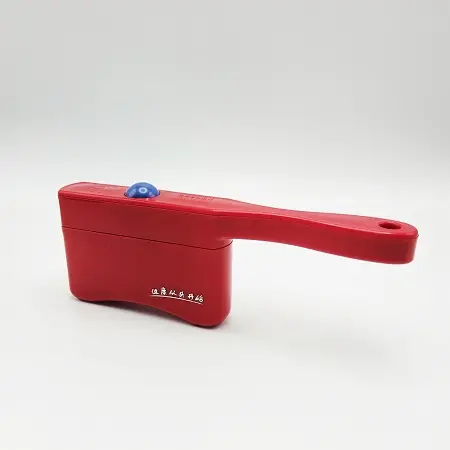
For manufacturers developing functional combs, the challenge is to balance traditional design elements with practical usability. A well-designed scalp care comb should provide comfortable contact with the scalp, remove loose debris during combing, and minimize unnecessary pulling or friction on the hair.
What Makes a Chinese Red Scalp Care Comb Different?
A Chinese red scalp care comb is distinguished by its combination of cultural styling and functional grooming design. Red has a strong association with traditional Chinese aesthetics, making it a recognizable design choice for personal care products, gifts, and lifestyle accessories.
However, visual appeal alone does not determine product performance. The functional value of a scalp care comb comes from how its teeth interact with the scalp and hair. Compared with conventional combs, a functional scalp care comb may incorporate specialized tooth arrangements, rounded contact surfaces, and structural features intended to assist with scalp cleansing during daily grooming.
Excess sebum, loose dandruff flakes, dust, and styling product residues can accumulate on the scalp and hair. A suitable comb can help loosen and remove some surface debris during brushing. It should not, however, be considered a substitute for shampooing or a medically validated treatment for scalp disorders.
For daily use, the most important design objective is controlled contact. Teeth that are excessively sharp or rigid may cause discomfort, while poorly finished edges can increase friction and potentially scratch sensitive skin.
Tooth Structure and Contact Design: The Core of Scalp Care Performance
The tooth structure directly influences the comb's cleaning performance and user experience. Tooth spacing, length, thickness, curvature, and tip finishing should be considered together rather than evaluated independently.
Wider tooth spacing can reduce resistance when combing thick, curly, or tangled hair. It also allows more room for hair strands to pass through without excessive pulling. Closer tooth spacing may provide more contact points during grooming, but it can increase resistance when used on dense or tangled hair.
Rounded tooth tips are particularly important for products intended for regular scalp contact. Smoothly polished tips help reduce localized pressure and scratching risks. The transition between the tooth and comb body should also be carefully finished to prevent sharp edges or weak structural connections.
Tooth flexibility is another important consideration. A comb that is too rigid may transmit excessive force to the scalp, whereas an excessively flexible structure may provide insufficient control during use. The ideal balance depends on the intended hair type, tooth geometry, and product positioning.
Manufacturers should evaluate these characteristics through repeated-use testing, surface inspection, and user trials involving different hair textures.
Material Selection and Manufacturing Quality
Material selection affects durability, surface finish, weight, hygiene, and long-term product stability. For a Chinese red scalp care comb, the selected material must also support consistent color appearance and the intended decorative finish.
Depending on the product design, manufacturers may consider natural materials, engineered wood, or molded polymers. Each option presents different manufacturing requirements.
Natural materials can offer distinctive textures and a traditional appearance, but they require careful moisture management, dimensional stability control, and surface finishing. Molded polymers allow more consistent tooth geometry and greater flexibility in mass production, while color consistency and surface defects must be controlled during molding.
For red-colored products, pigment distribution, color uniformity, surface coating adhesion, and resistance to discoloration are important quality considerations. Uneven coloring, scratches, burrs, and poorly finished tooth tips can negatively affect both appearance and user comfort.
A reliable quality inspection process should cover tooth dimensions, spacing consistency, surface smoothness, structural integrity, color variation, and resistance to repeated handling. Packaging should also protect the comb from scratches, deformation, and contamination during transportation.
How a Scalp Care Comb Fits into a Daily Hair Care Routine
A functional scalp care comb is most useful when incorporated into a consistent grooming routine. Before washing, gentle combing can help loosen loose flakes and distribute excess surface oil along the hair strands. During regular grooming, controlled brushing can help remove loose particles from the hair and maintain a neat appearance.
For users with oily scalps, regular cleansing remains essential because combing alone cannot remove accumulated sebum and residues completely. For dry or sensitive scalps, excessive brushing may increase irritation, so pressure and frequency should be adjusted according to individual comfort.
The comb should also be cleaned regularly. Oil, loose skin flakes, dust, and hair product residues can accumulate between the teeth. Removing trapped debris and allowing the comb to dry properly helps maintain basic hygiene and product usability.
It is important to distinguish cosmetic grooming benefits from medical claims. A scalp care comb may support surface cleaning and routine hair maintenance, but claims that it directly prevents hair loss, treats dandruff, or stimulates hair growth require appropriate scientific and clinical evidence.
What to Consider When Choosing a Chinese Red Scalp Care Comb
Choosing a suitable product involves more than comparing color, shape, or retail price. The following technical characteristics provide a more practical basis for evaluating product quality.
Evaluation Factor | Key Considerations | User Benefit |
|---|---|---|
Tooth spacing | Adaptability to different hair densities and textures | Reduces pulling during combing |
Tooth-tip finishing | Rounded tips and smooth surfaces | Improves scalp contact comfort |
Material | Durability, moisture resistance, and surface stability | Supports long-term use |
Ergonomic design | Grip shape, weight, and balance | Improves handling control |
Color quality | Pigment consistency and finish durability | Maintains product appearance |
Structural strength | Resistance to bending, cracking, and deformation | Improves service life |
Cleaning convenience | Accessible tooth gaps and easy residue removal | Supports daily hygiene |
For wholesale and product development applications, manufacturing consistency is equally important. Sample evaluation should include dimensional inspection, repeated-use testing, surface quality checks, and packaging verification. These factors help ensure that products from different production batches maintain consistent appearance and functionality.
The Role of Functional Innovation in Traditional Comb Design
The personal care market is gradually expanding beyond conventional grooming accessories toward products that combine practical functionality with lifestyle-oriented design. Consumers increasingly expect everyday products to offer more than basic utility, particularly when those products are associated with wellness and personal care routines.
Shanghai Jiuxianggu Health Technology Co., Ltd. focuses on researching and designing health-oriented lifestyle products across personal care, daily necessities, and food-related industries. Its Fun Health Comb concept combines functional grooming features with everyday combing, targeting concerns such as excess scalp oil and loose dandruff.
This product direction reflects an opportunity to integrate traditional comb design with modern personal care requirements. For a Chinese red scalp care comb, the combination of distinctive visual identity, comfortable tooth geometry, practical cleaning functions, and reliable manufacturing quality can help create a more differentiated product offering.
Manufacturers should also ensure that product descriptions accurately reflect demonstrated functions. Clear specifications and realistic performance claims are essential for building consumer trust in international markets.
Conclusion
A Chinese red scalp care comb combines traditional visual appeal with functional grooming requirements. Its practical value depends on tooth geometry, contact comfort, material durability, surface finishing, and ease of cleaning. These details determine whether the product can provide a comfortable and consistent experience during everyday scalp care.
For manufacturers and product developers, successful product positioning requires more than an attractive red finish. It requires integrating reliable manufacturing processes with functional design and clearly defined product benefits. Through its Fun Health Comb concept, Shanghai Jiuxianggu Health Technology Co., Ltd. explores the combination of personal care functionality and healthy lifestyle product design, providing a foundation for developing differentiated scalp care accessories for the global market.