(0)
Chinese Red Scalp Care Comb: Design, Materials, and Daily Scalp Care Benefits
A healthy scalp is an important part of an effective hair care routine. Excess sebum, accumulated dead skin cells, styling product residue, and environmental particles can make the scalp feel greasy or uncomfortable. For users who want to improve their daily scalp-cleaning routine without adding complicated steps, a Chinese red scalp care comb offers a practical combination of traditional-inspired design and everyday grooming functionality.
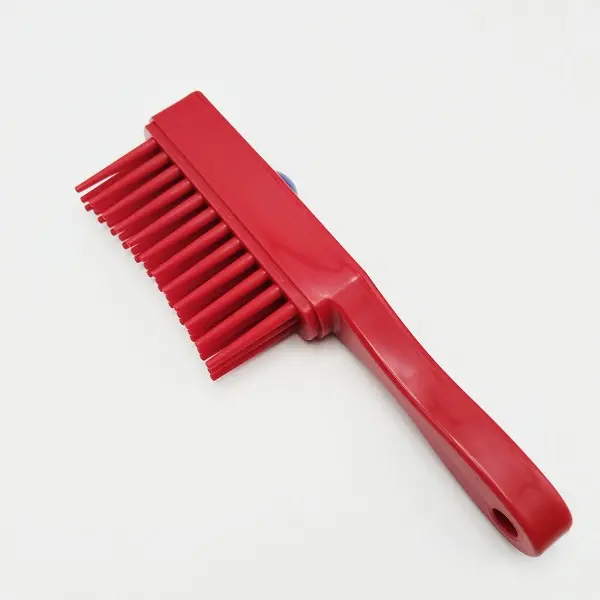
Unlike a conventional comb designed mainly to detangle hair, a scalp care comb is intended to provide more direct contact with the scalp during grooming. Its effectiveness depends on several factors, including tooth geometry, material selection, surface smoothness, spacing, and the way users apply pressure. Understanding these design characteristics helps distinguish a well-engineered scalp care comb from a standard hair comb with a different appearance.
What Makes a Chinese Red Scalp Care Comb Different?
A Chinese red scalp care comb combines a distinctive red appearance with a functional design intended for scalp grooming. The color can create a recognizable product identity, while the comb structure determines its actual usability. For daily care, the teeth should be designed to contact the scalp comfortably without excessive scratching or pulling.
Traditional combs are often optimized for detangling, so their tooth spacing and tip design may not be ideal for direct scalp stimulation. A scalp care comb requires a different balance. Teeth that are too sharp or rigid can create discomfort, particularly for users with sensitive scalps. Teeth that are too blunt or widely spaced may provide insufficient contact for the intended cleaning experience.
The design should therefore consider tooth length, tip radius, spacing, flexibility, and overall comb curvature. These features work together to influence contact distribution and grooming comfort.
Tooth Geometry and Scalp Contact
Tooth geometry is one of the most important factors in scalp care comb design. Rounded tooth tips help reduce the risk of concentrated pressure, while a smooth surface minimizes friction against the scalp and hair. Consistent tooth dimensions also help create a more predictable grooming experience.
Tooth spacing affects how the comb moves through different hair types. Closely spaced teeth may provide more contact points but can increase resistance when used on thick or tangled hair. Wider spacing can improve movement through dense hair, although it may reduce the number of contact points across the scalp.
For a product intended for regular use, the design should accommodate different hair densities without requiring excessive force. The comb should move smoothly from the front hairline toward the back of the head, while its teeth maintain comfortable contact with the scalp. Users should be able to control pressure naturally through the handle rather than relying on excessive force to achieve a cleaning sensation.
It is also important to avoid exaggerated claims about scalp stimulation. A comb can support routine grooming and help distribute natural oils or loosen surface debris, but it should not be presented as a clinically proven treatment for dandruff, hair loss, or scalp disease without appropriate evidence.
Material Selection: Durability, Safety, and User Experience
Material selection influences the comb's strength, flexibility, surface finish, weight, and long-term appearance. A suitable material should maintain its structural integrity during repeated use while providing a smooth surface that does not snag hair or irritate the scalp.
Plastic materials are commonly used in functional comb manufacturing because they allow flexible design options, relatively low weight, and efficient mass production. The specific resin should be selected according to the required mechanical properties, molding process, and applicable product safety requirements. Material consistency is particularly important for the tooth tips, where rough edges or molding defects can directly affect user comfort.
The finished surface should be inspected for flash, burrs, sharp edges, and uneven transitions. Even small molding defects can become noticeable during repeated contact with the scalp. For colored products, pigment consistency and resistance to ordinary handling are also important. A uniform Chinese red finish helps maintain a consistent appearance across production batches and supports brand recognition in retail displays.
Where a product is marketed for frequent personal use, material documentation and relevant chemical safety testing should be considered according to the destination market's regulations.
Can a Scalp Care Comb Help Remove Oil and Dandruff?
Sebum is naturally produced by the scalp to maintain skin and hair condition. However, excess oil can combine with dead skin cells, sweat, and styling product residue, making hair appear greasy and leaving the scalp feeling uncomfortable.
A scalp care comb can assist with mechanical grooming by helping loosen surface debris and distribute natural oils along the hair. When used gently as part of a regular washing routine, it may also help remove some loose flakes from the scalp surface. This is a grooming function rather than a medical treatment.
Dandruff has multiple possible causes, including skin sensitivity and the activity of scalp microorganisms. A comb alone cannot address every underlying cause. Users experiencing persistent flaking, itching, redness, or inflammation may need an appropriate scalp-care product or professional medical advice. A responsible product design and marketing strategy should distinguish between everyday scalp cleaning and treatment of medical conditions.
Ergonomic Design for Daily Use
A scalp care comb should be comfortable to hold and easy to control. Handle dimensions, weight distribution, grip texture, and overall shape all influence usability. If the handle is too small, users may need to grip it tightly, making it difficult to regulate pressure. If it is too large or heavy, repeated grooming may become tiring.
The comb's contact surface should also follow the natural contours of the head. A well-designed structure can help distribute contact across a wider area instead of concentrating pressure on a few teeth. This is particularly important for users who prefer a gentle grooming experience.
Ease of cleaning is another practical requirement. Oil, loose hair, and product residue can accumulate between the teeth after repeated use. A comb with accessible gaps and a surface that can be rinsed and dried easily is more convenient for regular maintenance. Users should follow the manufacturer's cleaning instructions and allow the comb to dry completely before storage.
Manufacturing Quality Control for Scalp Care Combs
Consistent quality depends on controlling the manufacturing process from raw material selection to final inspection. For molded combs, important checkpoints include material preparation, mold condition, injection parameters, cooling, demolding, trimming, and surface finishing.
Dimensional inspection should verify tooth length, spacing, thickness, and overall product geometry. Visual inspection should identify flash, sink marks, discoloration, cracks, and surface imperfections. Functional checks can evaluate whether the teeth remain intact under normal handling and whether the comb moves through representative hair samples without excessive snagging.
For colored products, color consistency should be checked under standardized lighting conditions. This helps prevent visible differences between production batches, especially when products are sold through retail channels or supplied as branded gift sets. Packaging should also protect the teeth from deformation and surface damage during transportation.
Why Product Design Matters in Scalp Care Markets
The global personal care market includes consumers with different hair textures, scalp conditions, grooming habits, and expectations. A product that works comfortably for one user may not offer the same experience for someone with thicker hair or a more sensitive scalp. This makes practical design validation important before mass production.
Shanghai Jiuxianggu Health Technology Co., Ltd. focuses on the research and design of healthy lifestyle products across personal care and related daily-use categories. Its Fun Health Comb concept combines functional grooming features with an accessible daily-use product format. The company's product positioning emphasizes helping users remove surface oil and dandruff-related debris through routine combing and scalp cleaning.
For a Chinese red scalp care comb, the most important product attributes are not appearance alone. Tooth geometry, material safety, surface quality, ergonomic handling, and ease of cleaning determine whether the product can deliver a comfortable and consistent user experience.
Choosing a Chinese Red Scalp Care Comb for Everyday Grooming
A well-designed Chinese red scalp care comb should balance visual identity with functional performance. Smooth teeth, appropriate spacing, durable materials, comfortable handling, and easy cleaning all contribute to its suitability for regular use. These characteristics should be evaluated through product inspection and practical user testing rather than relying only on appearance or promotional claims.
For manufacturers and brands, consistent material specifications and production quality control are essential to maintaining product reliability across batches. By combining thoughtful design with realistic scalp-care positioning, a Chinese red scalp care comb can become a useful addition to everyday personal grooming routines.